
El Refugio of San Pedro Tlaquepaque: History, Legends, and the Echoes Beneath Its Halls
About some legends surrounding the the historic geriatric hospital El Refugio located in Tlaquepaque, MX.
3/17/20262 min read
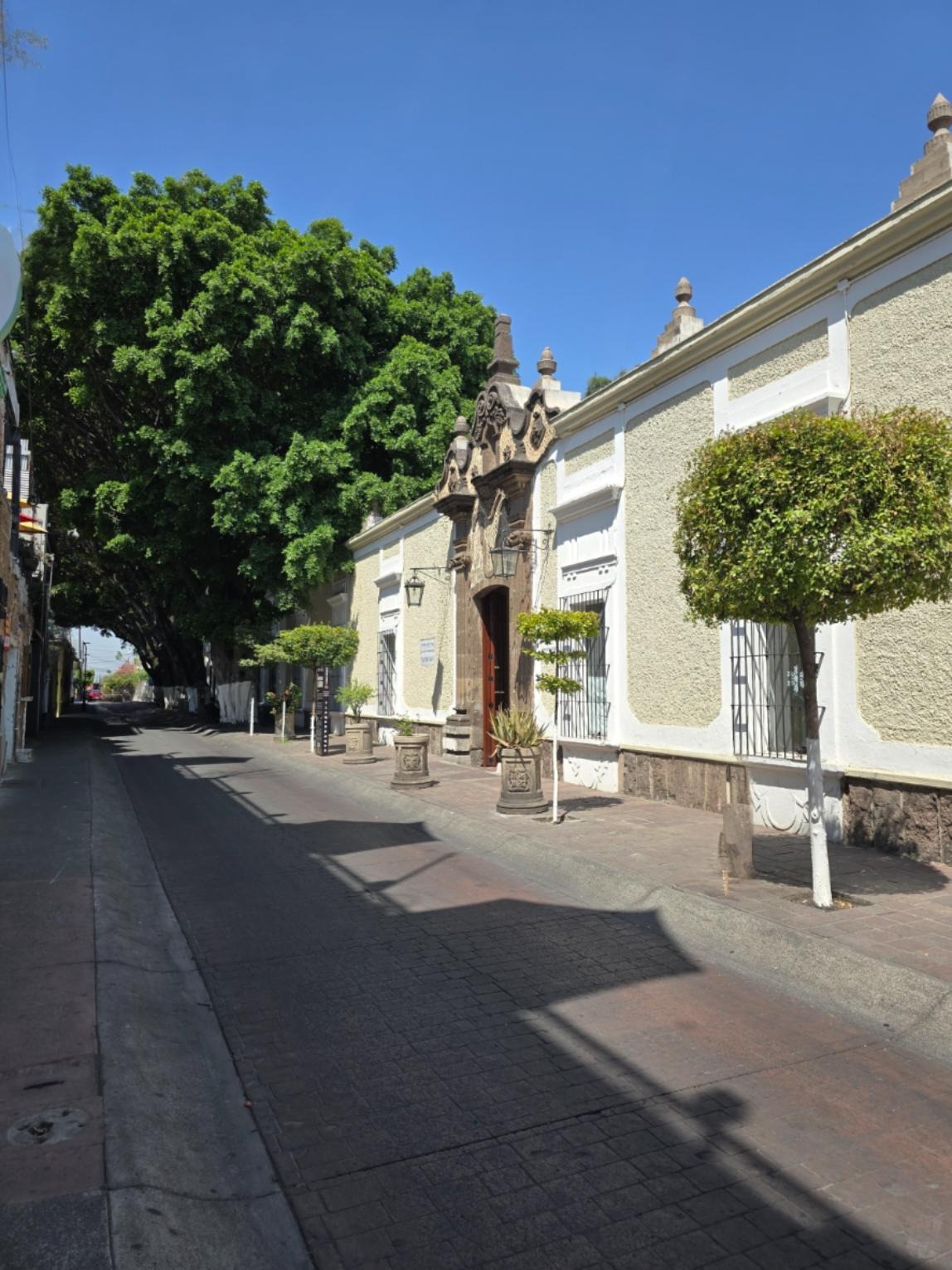
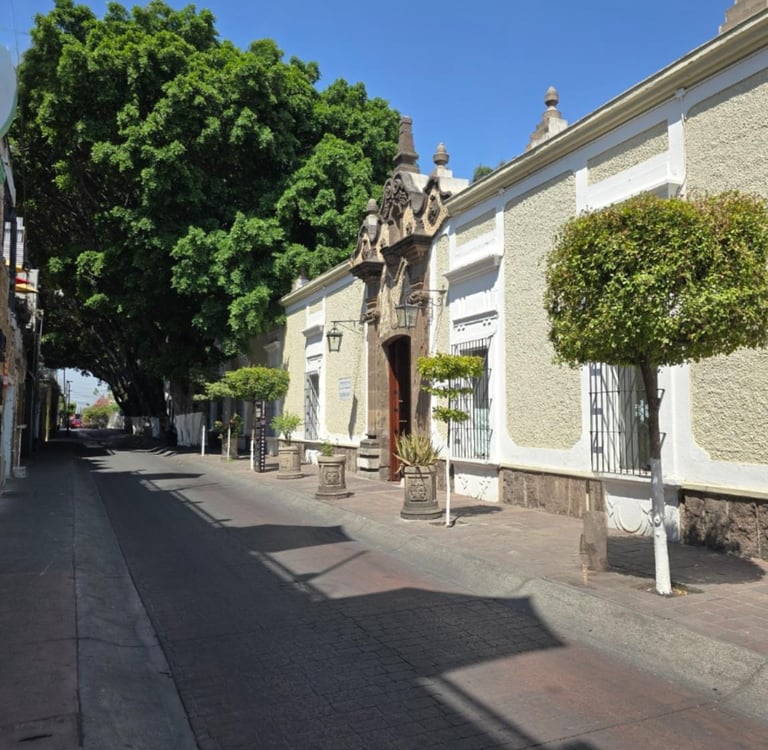
El Refugio of San Pedro Tlaquepaque
In the heart of San Pedro Tlaquepaque, Jalisco, just a few blocks from the Parián and historic churches, stands a building that seems to breathe history through its long corridors and shadowed patios. Today known as the Centro Cultural El Refugio, this imposing 19th‑century structure has lived many lives: hospital, refuge, abandoned relic, and now a vibrant cultural space—one that still carries whispers of its past.
Origins: A Hospital Born of Faith and Need
El Refugio was conceived in the late 19th century as a place of healing and spiritual retreat March 6, 1885, Fray Luis Argüello formally requested permission to construct a hospital, a house of spiritual exercises, and a chapel in San Pedro Tlaquepaque.
The building originally operated under the name Casa de Salud Josefina, administered by the Monjas Josefinas, who cared for the sick, the poor, and those seeking refuge. Over time, it became known simply as Hospital El Refugio, serving the community for nearly a century.
From Healing to Silence
El Refugio functioned as a hospital until May 31, 1979, when it finally closed its doors. Following its closure, the massive colonial structure fell into years of abandonment, suffering deterioration and looting. By the mid‑1980s, El Refugio was reborn as a "House of Culture", eventually becoming the Centro Cultural El Refugio we know today.
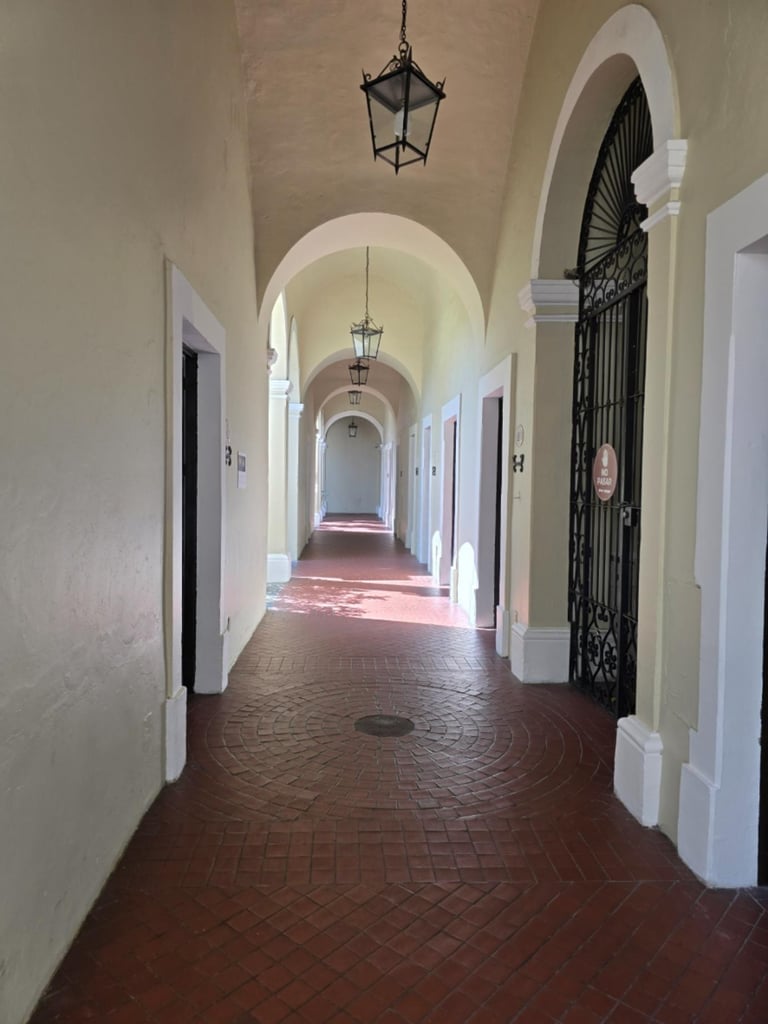
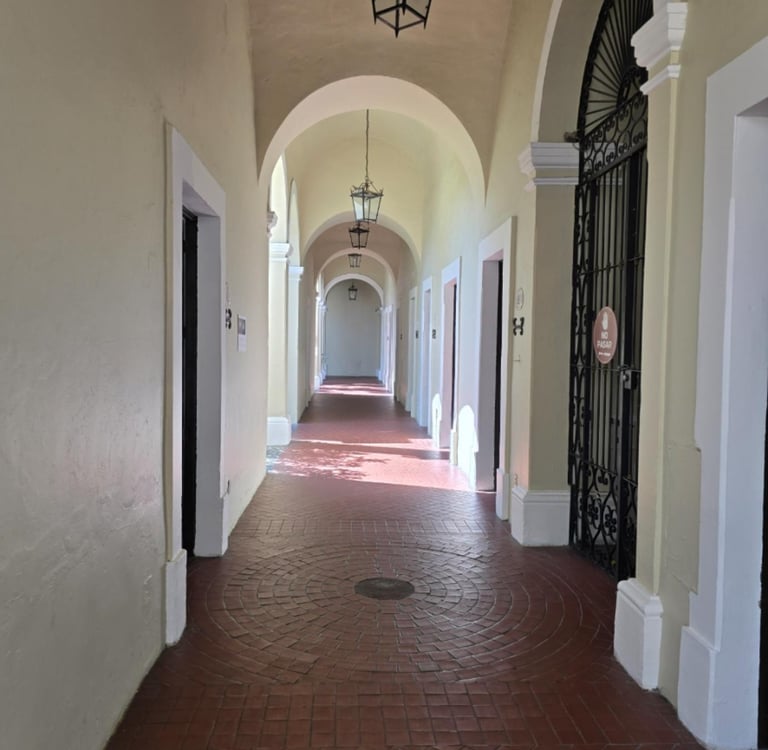
Ghosts in the Corridors
Ask locals, night guards, or tour guides, and you’ll quickly hear about the apparitions said to roam El Refugio after dark.
The most persistent legend is that of a nun, believed to be one of the Josefinas who once worked in the hospital. Visitors and staff report sightings of a veiled figure walking silently through hallways, appearing on staircases, or lingering near the old chapel.
Other stories speak of:
Patients wandering the halls, particularly those once treated for psychiatric conditions.
Unexplained voices, footsteps, and doors closing on their own.
Sudden drops in temperature and the sensation of being watched
While these accounts remain anecdotal, the sheer number of similar testimonies has cemented El Refugio’s reputation as one of Tlaquepaque’s most haunted sites.
El Refugio Today: Culture After Dark
Today, El Refugio stands as a center of art, memory, and storytelling. It houses museums, galleries, workshops, and the Museo Pantaleón Panduro, dedicated to the National Ceramic Prize—one of the most important in Mexico.
When night falls, the building reconnects with its shadowed past. Night tours and theatricalized nocturnal visits guide visitors through candle‑lit corridors, recounting ghost stories, tunnel legends, and chilling episodes rooted in the building’s hospital years. These experiences don’t claim proof, only the invitation to listen, imagine, and feel the weight of history pressing in from the walls.