The weeping woman, La llorona
One of the most recognized legends in Mexico about the "Weeping Woman" (La Llorona).
MEXICAN LEGENDGHOST
5/8/20242 min read
The last breath
An Encounter in the Forest of the State of Mexico
He was dressed in his best shirt, résumé folded neatly in his pocket, and hope clutched tightly in his chest. The avocado packing site near the aqueduct was hiring, and the forest path—though avoided by locals—was the fastest way to make his interview before dusk. Hunger had made him bold and deaf to warnings.
The trees grew denser. The light dimmed unnaturally. Then came the sound.
It wasn’t a scream. Not quite a sob. It was a fractured lament, echoing like it came from beneath the ground, or from inside the bones of the forest itself. “Ay… mis hijos…” (My children...).
He stopped. His breath caught. The sound was distant, yet he felt it was closer than it sounded. Was someone hurt? A woman? He stepped off the path, drawn toward the river clearing.
"Are you ok? do you need help?"
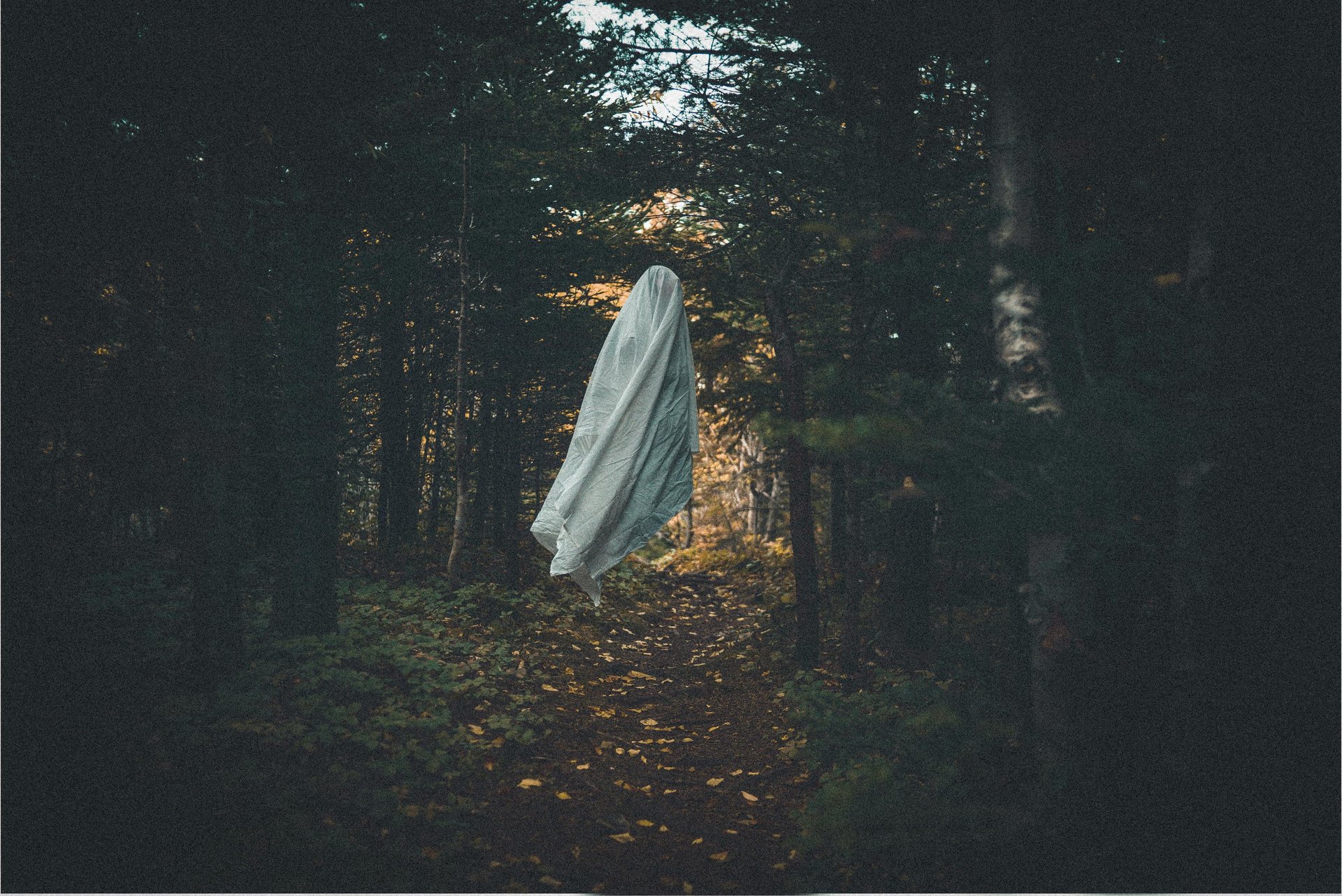
There, across the water, stood a figure in white. Her hair hung like wet vines, her face veiled in mist. She stood still, her cries grew louder, closer.
The woman flew away disappearing into the horizon, to his surprise.
Then—hands. Cold, skeletal fingers burst from the water and clamped around his ankles. He collapsed screamed in pain, he kicked, clawed at the earth. For a moment, he broke free—mud flying, heart pounding, and struggled to get up—but before he could incorporate, the hands returned, stronger, dragging him back.
He knew then. This was no accident. No rescue would come.
As he was pulled beneath the surface, lungs burning, he saw her watching. Unmoving. Unblinking. The last thing he felt was not pain, but the certainty of doom.
By morning, the forest was quiet again. Only the river remembered.
Who Is La Llorona?
La Llorona—“The Weeping Woman”—is one of Mexico’s most enduring and terrifying folkloric figures. Her legend spans centuries and regions, always centered around grief, guilt, and water.
Most versions say she was once a beautiful woman named Maria who drowned her children—whether in rage, despair, or madness—and then herself. Cursed by her act, she wanders rivers and lakes, crying “¡Mis hijos! ¿Dónde están mis hijos?” (“My children! Where are my children?”). Her cries are said to sound far when she is near, and near when she is far.
She appears to lone travelers, especially men and children, and is often linked to tragic omens or unexplained deaths.
Origins and Symbolism
La Llorona’s myth is a fusion of Indigenous and colonial trauma:
- Aztec roots: She resembles Cihuacóatl, goddess of motherhood and war, and Coatlicue, the devouring earth mother.
- Colonial echoes: Some versions conflate her with La Malinche, the Indigenous woman who aided Hernán Cortés, symbolizing betrayal and cultural loss.
- Historical records: A weeping woman was documented in Mexico City as early as 1550, and in Náhuatl accounts from 1509 as a bad omen before the Spanish invasion.
Report from news in Aguascalientes;
Recent sightings continue to fuel belief in La Llorona’s presence. In Aguascalientes, residents near the Arroyo de los Arellano and Río San Pedro reported hearing cries of “¡Ay, mis hijos!” and seeing shadowy figures near water. These events intensify in October and November, especially on foggy nights.
“La Llorona en Aguascalientes: historia, apariciones recientes y el misterio que aún no se explica.” El Sol del Centro, October 19, 2025. https://oem.com.mx/elsoldelcentro/tendencias/la-llorona-en-aguascalientes-historia-apariciones-recientes-y-el-misterio-que-aun-no-se-explica-26350182